Plumbing repairs solve specific problems, yet many homeowners notice that performance does not always return to what they expected. A leak stops, a clog clears, or a fixture gets replaced, but something still feels off. Water pressure may seem weaker than before. Drains may move more slowly than they should. Temperature stability may remain inconsistent. Frustration often follows because the repair appeared successful.
This situation occurs more often than people realize. Plumbing systems work as connected networks rather than isolated parts. A repair can correct one failure point while deeper limitations continue to affect performance. Homeowners frequently assume that fixing the visible issue automatically restores the entire system. Real world plumbing behavior does not always follow that logic.
Understanding why plumbing systems sometimes continue to struggle after repairs helps set realistic expectations and highlights when further evaluation makes sense.
Repairs Address Symptoms, Not Always Root Causes
Most plumbing problems develop gradually. Visible failures represent the final stage of an underlying process. A pipe leak, for example, may result from corrosion, pressure stress, poor support, or temperature related expansion. Repairing the leak stops water escape but may not remove the original stress factor.
Clogs present a similar pattern. Clearing a blockage restores flow, yet recurring buildup may stem from pipe scale, improper slope, partial obstructions, or venting issues. A single cleaning cannot permanently correct structural problems inside the drainage system.
Water pressure complaints often reveal this gap. Replacing a faulty faucet or valve may not restore strong flow if restrictions exist elsewhere. Mineral deposits, aging pipes, partially closed valves, or supply line limitations can continue to reduce performance. Repairs fix what technicians can directly identify. Systems continue to underperform when hidden factors remain unchanged.
Aging Infrastructure Creates Persistent Limits
Many homes in established neighborhoods contain older plumbing components. Pipes, valves, and fittings wear down slowly over decades. Material deterioration does not always produce dramatic failures. Gradual narrowing, internal buildup, and minor restrictions often develop long before a major leak or break appears.
Replacing a section of pipe in an older system may not affect the condition of the surrounding lines. Water still travels through aging pathways. Friction losses and flow resistance remain.
Galvanized piping commonly illustrates this issue. Internal corrosion reduces pipe diameter over time. New fixtures connected to old supply lines cannot reach full performance potential. Water simply cannot move freely through narrowed passages.
Drainage systems also experience similar constraints. Partial scale accumulation, slight misalignment, or interior roughness can slow flow even after localized repairs. Expectations of like new performance rarely match reality when the broader system shows its age.
System Balance Matters More Than Individual Components
Plumbing systems rely on balance. Pressure, flow rate, venting, pipe sizing, and fixture demand interact continuously. Changes in one area influence behavior elsewhere. Fixture upgrades often expose imbalances. Modern faucets and shower valves operate differently from older designs. Pressure-regulating components in new fixtures may be more sensitive to supply fluctuations. A repair or replacement may reveal performance issues that previously went unnoticed.
Pipe sizing also affects results. Water distribution lines designed decades ago may not match current household demand. Additional bathrooms, appliances, or remodeling changes increase the load on the system. Repaired components may function correctly while capacity limitations restrict performance.
Drainage performance follows the same logic. Proper slope, venting, and pipe diameter determine flow efficiency. Repairs cannot compensate for design mismatches. Technicians sometimes encounter situations where every visible component functions correctly, yet the system still struggles due to configuration limits.
Hidden Restrictions Frequently Remain Undetected
Water flow depends on unobstructed pathways. Many restrictions remain invisible without targeted inspection. Mineral buildup inside pipes often escapes notice. Hard water deposits accumulate slowly, reducing the internal diameter. Repairs may correct leaks or replace fixtures without addressing scale accumulation deeper in the lines.
Supply valves may also contribute. Partially closed shut off valves, pressure regulators, or branch line controls can restrict flow. These components rarely draw attention unless technicians specifically test them.
Flexible supply connectors may create unexpected limitations. Kinks, internal wear, or improper sizing reduce effective flow. Drainage systems hide similar obstacles. Grease buildup, partial debris accumulation, or root intrusion can persist after localized repairs. Performance problems continue when restrictions remain scattered throughout the system.
Pressure Does Not Equal Flow Performance
Homeowners often associate plumbing performance with pressure alone. Strong pressure at one fixture does not guarantee adequate flow across the entire home. Flow rate depends on pipe diameter, internal condition, system demand, and hydraulic resistance. A repair that restores pressure may not improve volume delivery if restrictions limit movement.
Water heaters frequently illustrate this misunderstanding. Adequate pressure may exist, yet sediment accumulation inside the tank can reduce effective hot water delivery. Heat transfer efficiency declines. Recovery time increases.
Temperature complaints may also persist after repairs. Mixing valve calibration, pipe length, insulation condition, and circulation patterns influence user experience. Plumbing systems operate through multiple variables. Repairs that correct pressure irregularities may not fully restore flow characteristics.
Previous Modifications Can Influence Outcomes
Many homes undergo renovations over time. Plumbing systems may include layers of modifications performed across decades. Mixed materials, altered pipe routes, and partial upgrades create complex flow behavior.
Repaired sections may connect to older layouts that introduce inefficiencies. Pipe routing decisions made during past remodeling projects may affect performance today. Improper slope, inconsistent pipe sizing, or nonstandard connections often contribute to lingering issues. Repairs cannot easily compensate for inherited design flaws.
Drainage problems frequently stem from earlier construction choices. Slow drains may result from alignment issues rather than simple obstructions. Water distribution inconsistencies may trace back to pipe configuration rather than individual component failure. Historical system changes often explain persistent underperformance.
Why Comprehensive Evaluation Sometimes Becomes Necessary
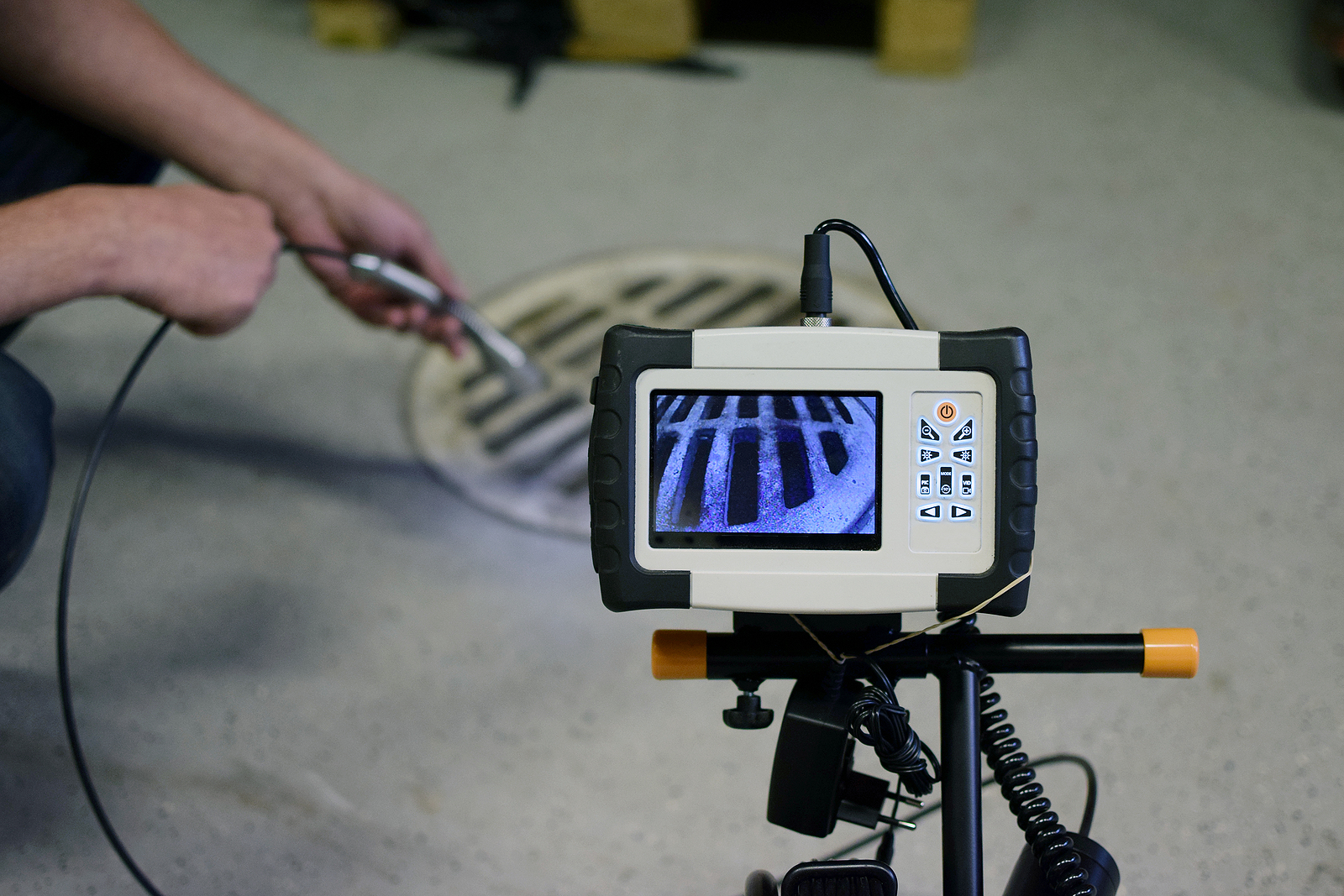
Persistent performance problems often require broader inspection. Technicians must evaluate pressure behavior, flow characteristics, pipe condition, venting, and valve function collectively. Modern diagnostic tools help identify hidden issues. Leak detection devices, video inspection cameras, and pressure analysis equipment provide deeper visibility into system behavior.
Comprehensive evaluations do not assume a single failure point. They assess how components interact. Homeowners benefit from this approach when repeated repairs fail to resolve performance concerns. Addressing isolated symptoms rarely produces lasting improvements when systemic limitations remain.
Frequently Asked Questions
Why does my plumbing still feel weak after repairs?
Hidden restrictions or aging pipes often continue to limit flow.
Can mineral buildup affect repaired systems?
Yes. Internal scale reduces pipe diameter and flow efficiency.
Do new fixtures change system performance?
Yes. Modern fixtures may expose existing pressure or flow imbalances.
Should recurring problems trigger a full inspection?
Yes. Repeated issues often indicate deeper system limitations.
Can older pipes limit new plumbing components?
Yes. Aging infrastructure frequently restricts performance potential.
Plumbing problems rarely exist in isolation. Acme Plumbing Co. helps homeowners across Durham, NC restore full system performance. Call (919) 877-6268.