Gas leaks are one of those problems that homeowners hope never to face, yet they can develop quietly, often out of sight and out of mind. Crawl spaces, which are the narrow areas beneath many homes in Durham, NC, are a particularly common hiding spot for undetected gas leaks. Because crawl spaces are enclosed and poorly ventilated, even a small leak can become a major hazard in a short amount of time.
These leaks not only pose a serious risk of fire or explosion but also create long-term health and air-quality issues. What makes them especially tricky is that many signs aren’t immediately visible. Knowing how and why crawl space gas leaks form, and what can be done to prevent them, helps protect both your home and your family’s safety.
How Gas Leaks Start in Crawl Spaces
Crawl spaces often contain gas lines that run from the meter outside to indoor appliances such as furnaces, water heaters, and stoves. Over time, wear and tear, environmental conditions, and installation issues can lead to small cracks or loose fittings.
Common causes of crawl space gas leaks include:
- Corroded pipes: Moisture and humidity in crawl spaces can cause steel pipes to rust, thinning the walls of the pipe until leaks develop.
- Joint failure: Older gas systems often use threaded fittings that can loosen due to vibration, ground shifting, or simple aging.
- Improper installation: DIY gas line work or non-professional connections may not meet safety standards, leaving gaps or weak points.
- Soil movement: Durham’s clay-heavy soil expands and contracts with temperature and moisture changes, which can stress and misalign underground lines.
- Rodent damage: In some cases, rodents chew through flexible gas lines, particularly corrugated stainless steel tubing (CSST).
Even the smallest leak can release enough gas to cause danger if it accumulates in a confined space.
Why Crawl Space Gas Leaks Are Especially Dangerous
A crawl space is typically enclosed with minimal air circulation. This makes it the perfect environment for gas buildup. Since natural gas is lighter than air, it tends to rise through gaps in the flooring, entering your living space before you notice anything is wrong. If it’s propane, which is heavier than air, it can pool inside the crawl space, making ignition risks even higher.
The primary dangers include:
- Explosion risk: Gas accumulation can ignite from a spark, pilot light, or electrical outlet.
- Carbon monoxide exposure: Leaks near gas appliances can cause incomplete combustion, releasing toxic gases that are colorless and odorless.
- Health problems: Prolonged exposure may cause dizziness, nausea, fatigue, or respiratory irritation.
- Structural damage: Prolonged gas exposure can corrode metal supports and affect wooden framing.
Because crawl spaces are hard to access, many homeowners remain unaware until a professional inspection reveals the issue.
Warning Signs of a Hidden Gas Leak
While you might not see a leak directly, there are several clues that suggest one may exist under your home. Recognizing these signs early can help prevent serious danger.
- Unusual odor – Gas utilities add a chemical called mercaptan, which smells like sulfur or rotten eggs, to help identify leaks. If this smell is strongest near floor vents or crawl space access points, that’s a red flag.
- Dead vegetation near gas lines – Gas escaping underground can suffocate plant roots, leading to dying grass or shrubs above the leak.
- Unexplained health symptoms – Persistent headaches, dizziness, or nausea in multiple family members can point to a gas issue.
- Higher gas bills – A leak allows gas to escape before it reaches your appliances, increasing usage and costs.
- Hissing sounds – If you hear faint hissing near the base of your home or crawl space entry, it might indicate escaping gas.
- Pets acting strangely – Animals often detect gas smells before humans and may avoid certain areas of the home.
If you notice any combination of these signs, exit the house immediately, avoid using electronics or lighters, and contact a qualified gas plumber right away.
How Professionals Detect Crawl Space Gas Leaks
Diagnosing a hidden gas leak requires precision tools and trained technicians. At Acme Plumbing Co., we use industry-approved methods designed to locate leaks quickly and safely without unnecessary damage to your home.
Some of the tools and methods include:
- Electronic gas detectors that can sense even trace amounts of natural gas in the air.
- Pressure testing to determine whether your gas system is holding pressure as it should.
- Acoustic sensors to detect subtle leak noises in inaccessible areas.
- Soap and bubble tests used in targeted areas to visually confirm escaping gas.
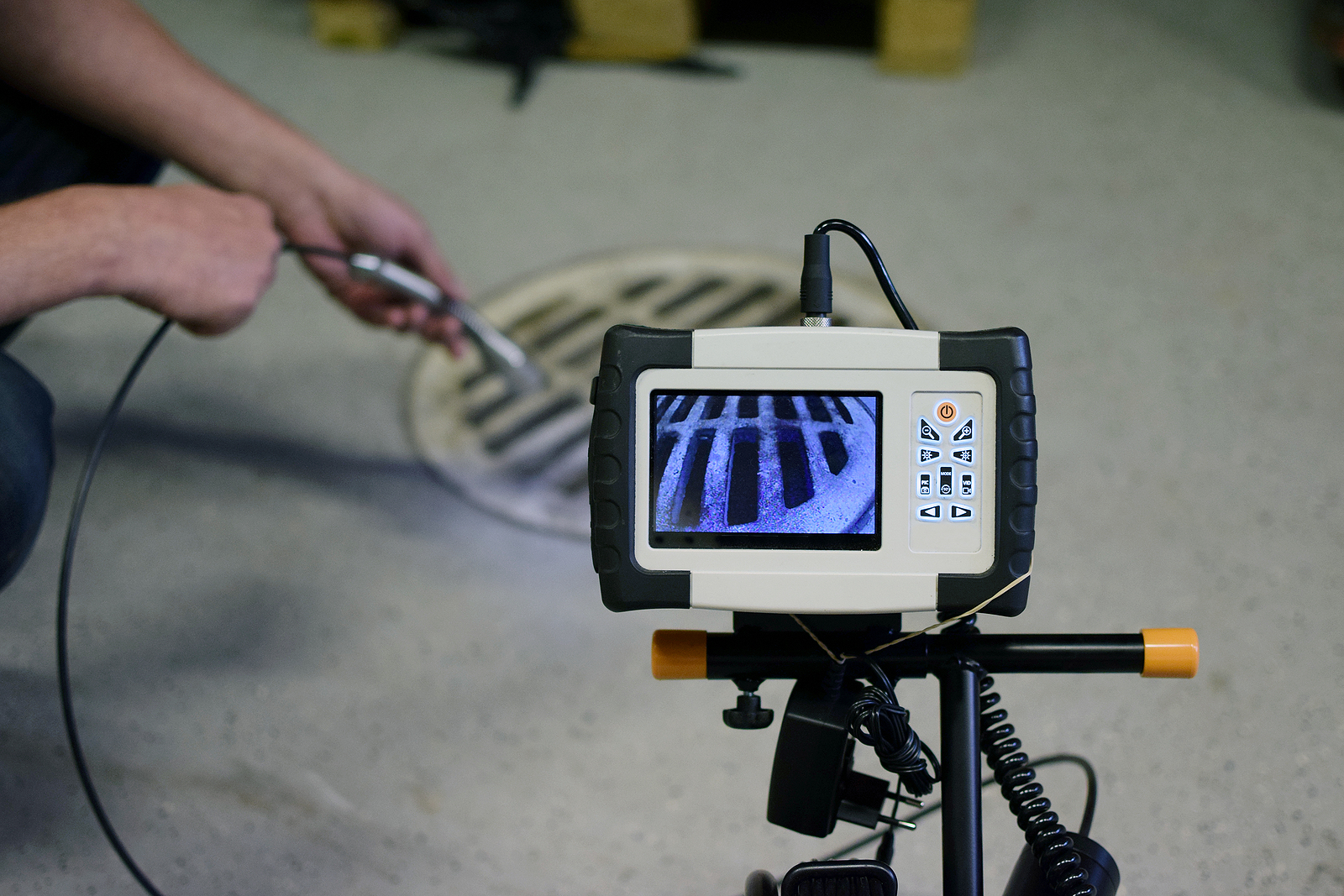
- Camera inspections to check the condition of pipes and fittings in tight spaces.
After finding the leak, our team repairs or replaces the damaged section of the line, ensures proper sealing, and tests the entire system for safety before finishing the job.
Preventing Future Gas Leaks
Prevention starts with regular maintenance and awareness. Gas lines are not meant to last forever, and even the smallest oversight can lead to a future hazard.
Here are some steps Durham homeowners can take:
- Schedule annual gas line inspections by a licensed plumber.
- Replace aging or corroded pipes with corrosion-resistant materials such as coated steel or CSST.
- Ensure proper ventilation in crawl spaces to reduce gas accumulation risk.
- Install gas leak detectors or carbon monoxide alarms inside your home.
- Avoid DIY gas plumbing work, always use a certified technician for repairs or installations.
- Protect flexible gas lines from rodent damage by sealing openings and using metal conduit covers.
By taking these preventive steps, homeowners can reduce risks, extend the lifespan of their gas system, and maintain peace of mind.
Durham’s Crawl Space Conditions and Gas Leak Risks
Durham’s mix of clay-heavy soil, variable humidity, and older housing stock make crawl spaces particularly susceptible to gas line wear. Many mid-century homes still rely on original black iron pipes, which are prone to corrosion. Meanwhile, newer homes with flexible gas lines face risks from soil movement and shifting foundations.
Because the region experiences both wet and dry seasons, ground expansion and contraction can stress buried pipes, leading to cracks or leaks at connection points. Professional inspections ensure your gas system adapts safely to these environmental pressures.
What to Do if You Suspect a Gas Leak
If you believe there may be a gas leak under your home:
- Leave the property immediately.
- Avoid flipping switches or using phones inside the house.
- Do not start your car if it’s in an attached garage.
- Call your gas company or 911 from outside the home.
- Once the area is safe, contact Acme Plumbing Co. for a professional inspection and repair.
Never try to locate or fix a gas leak yourself. It requires professional-grade tools and training to ensure your safety.
FAQs About Crawl Space Gas Leaks in Durham, NC
1. How often should I have my gas lines inspected?
It’s best to have your gas system professionally inspected every one to two years, especially in older homes.
2. Are gas leaks common in crawl spaces?
Yes, especially in areas with older piping, poor ventilation, or high humidity levels that promote corrosion.
3. What should I do if I smell gas near my crawl space?
Leave your home immediately, avoid using electronics, and call your gas company or a licensed plumber for help.
4. Can carbon monoxide detectors sense gas leaks?
No, carbon monoxide detectors only detect combustion gases. Install a natural gas detector for added safety.
5. What types of gas lines are most durable?
Modern coated steel and flexible CSST lines with proper grounding offer better corrosion resistance and longevity.
Keep your home safe from hidden crawl space gas leaks. Call Acme Plumbing Co. at (919) 877-6268 for expert gas leak detection in Durham.